Vishnu Tiwari v. State of U.P.: A Case Study on 20-Year Wrongful Imprisonment and Legal Reform
Examining the Flaws in India’s Criminal Justice System: How Procedural Delays, False Accusations, and Legal Aid Failures Cost an Innocent Man 20 Years.
•schedule 14 min read•All citations and legal references have been verified against primary authorities.
The case of Vishnu Tiwari v. State of Uttar Pradesh is one of the most prominent instances of wrongful conviction, legal aid failure, and severe judicial delay in modern Indian legal history. Arrested in September 2000 at age 23 in Lalitpur district, Uttar Pradesh, Vishnu Tiwari spent over two decades - 7,472 consecutive days - incarcerated in Agra Central Jail before being acquitted of all charges by the Allahabad High Court on January 28, 2021.
This mid-sized case study summarizes the factual origins, evidentiary breakdown, judicial rulings, institutional failures, and subsequent reform initiatives triggered by his acquittal.
1. Key Timeline of Events (2000–2021)
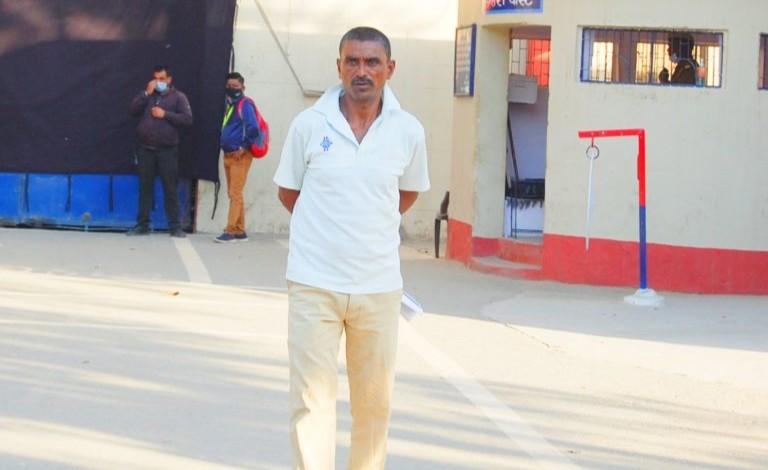
Vishnu Tiwari Interview after release.
Archive Exhibit: X Post Citation
The following table summarizes the key milestones in the two-decade legal trajectory of Vishnu Tiwari:
Sept 16, 2000 Alleged Incident - Prosecutrix alleged sexual assault near a mango tree in Silawan village, Lalitpur.
Sept 19, 2000 FIR & Medical Exam - FIR registered at Police Station Mehroni after a three-day delay; medical exam conducted at CHC Mehroni.
Feb 24, 2003 Trial Court Conviction - Sessions Court, Lalitpur (Special Case No. 43 of 2000) sentenced Tiwari to life imprisonment under IPC 376 and the SC/ST Act.
2005–2021, 16-Year Appeal Delay - Jail appeal filed as "Defective Appeal No. 386 of 2005" lay unreviewed in the High Court registry due to minor procedural defects.
Jan 28, 2021 High Court Acquittal - Division Bench of Allahabad High Court granted a complete acquittal on merits (Criminal Appeal No. 204 of 2021).
March 3, 2021 Release from Jail - Tiwari walked out of Agra Central Jail after twenty years of incarceration.
March 2021 NHRC & SC Interventions - NHRC issued notices to UP officials; Public Interest Litigations filed in Supreme Court for victim compensation guidelines.
2. Factual Background: Land Dispute and Allegations
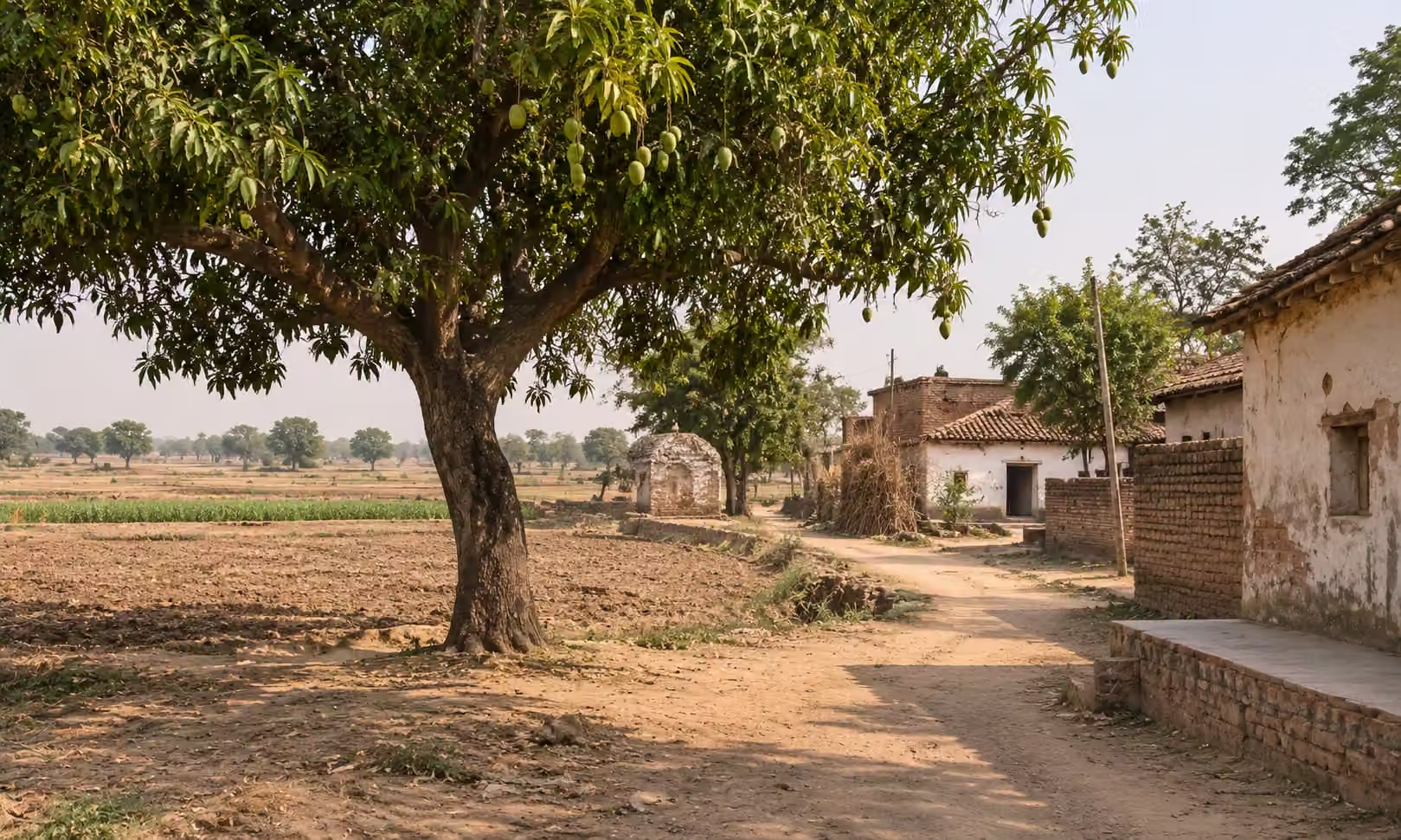
On September 16, 2000, the prosecutrix - a married woman belonging to a Scheduled Caste (Dhobi community) - alleged that Vishnu Tiwari (belonging to a Brahmin family) dragged her into bushes near a mango tree, restrained her for ten minutes, and committed forcible sexual intercourse. The FIR was lodged three days later at Mehroni Police Station.
During trial and appellate reviews, the defense demonstrated that the complaint was rooted in a long-standing property and land dispute between the two families. In court cross-examination, the prosecutrix’s father-in-law admitted that the family received ₹25,000 in statutory monetary assistance from the government following the registration of the SC/ST Atrocities Act case. The High Court later observed that personal animosity over land, paired with statutory financial incentives, motivated the lodging of a false complaint.
3. Trial Court Conviction vs. High Court Evidentiary Breakdown
In February 2003, the Sessions Court of Lalitpur convicted Tiwari under IPC Section 376 (rape), IPC Section 506 (criminal intimidation), and Section 3(2)(v) of the SC/ST Act, awarding life imprisonment based almost solely on the oral statement of the prosecutrix.
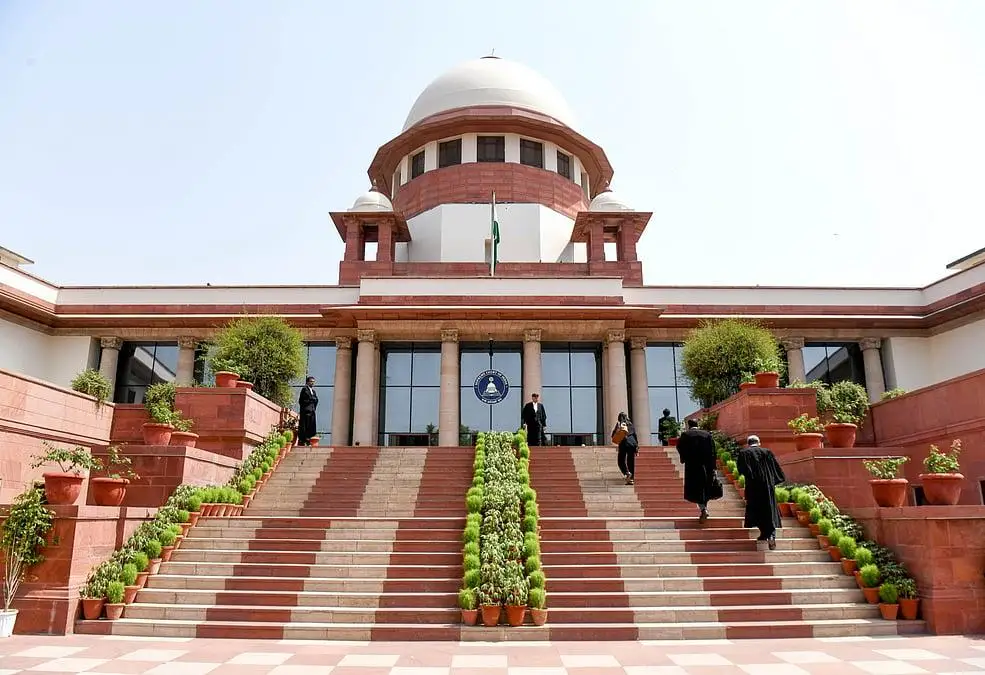
On January 28, 2021, a Division Bench of the Allahabad High Court comprising Justices Dr. Kaushal Jayendra Thaker and Gautam Chowdhary set aside the conviction, finding fundamental flaws in the prosecution case:
Complete Absence of Medical Corroboration: Dr. Sarojini Joshi (PW-4), who examined the prosecutrix three days post-incident, reported no external or internal injuries on her body or private parts, despite claims of a violent struggle on rough ground while five months pregnant. Pathological examination by Dr. S.N.H. Rizvi (PW-5) found no spermatozoa or semen. Both doctors certified that no definite opinion confirming rape could be given.
Witness Contradictions: The High Court noted severe contradictions between the prosecutrix, her husband, and her father-in-law regarding FIR dictation and unverified claims of a village Panchayat.
Misapplication of Special Caste Laws: The trial court automatically awarded life imprisonment under Section 3(2)(v) of the SC/ST Act because the victim was SC and the accused was Brahmin. The High Court ruled that under statutory law and Supreme Court precedent (Hitesh Verma v. State of Uttarakhand), an offence under the Atrocities Act requires proof that the crime was committed specifically on the ground of caste hostility, which was completely absent.
4. Institutional Negligence and the Human Cost
Sixteen Years of Judicial Delay – Institutional Negligence
Tiwari’s appeal, filed from prison in 2005, remained trapped for sixteen years in the Allahabad High Court registry as a "defective appeal" due to minor paperwork errors and a lack of active legal representation. It was regularized as Criminal Appeal No. 204 of 2021 only after a legal aid advocate filed a listing application in late 2012.
Furthermore, the High Court severely criticized the State of Uttar Pradesh for failing to exercise executive remission under CrPC Sections 432–434. The court ruled that state authorities had a statutory duty to evaluate life convicts for sentence commutation after fourteen years of imprisonment, regardless of whether a judicial appeal was pending.
The human cost was devastating:
Family Loss: Tiwari’s father, brother, and another close relative died during his imprisonment; parole was repeatedly denied, preventing him from attending their last rites.
Financial and Social Ruin: His family was forced to sell their ancestral agricultural land to pay legal fees and suffered social ostracization.
Release Circumstances: Entering prison at age 23, Tiwari emerged at age 43 with broken health. With no family present at the gate, he received ₹600 in prison labor earnings from jail authorities to take a bus home.
5. Post-Acquittal Reform Initiatives
5. Acquittal and Legal Reform – The Road to Justice
Tiwari’s acquittal triggered immediate national reactions and calls for legal reform:
NHRC Intervention: On March 5, 2021, the National Human Rights Commission issued formal notices to the UP Chief Secretary and DGP, demanding accountability reports and state rehabilitation measures.
Supreme Court Litigations: Public Interest Litigations, including one filed by political figure Kapil Mishra, sought Supreme Court directions to establish mandatory compensation frameworks for victims of wrongful prosecution and guidelines to curb malicious false complaints under special acts.
Law Commission Report No. 277: The case highlighted recommendations from Law Commission Report No. 277 (Wrongful Prosecution: Legal Remedies), which advocates amending the CrPC to create enforceable statutory compensation, establishing special summary courts in each district, and providing non-pecuniary remedies such as counseling and record-expungement.
6. Summary Comparison of Legal Rulings
Aspect
Sessions Court, Lalitpur (2003)
Allahabad High Court (2021)
Verdict
Guilty (IPC 376, 506; SC/ST Act 3(2)(v))
Clean Acquittal (All charges set aside)
Sentence
Life Imprisonment
Immediate Release
Evidence Basis
Solitary uncorroborated oral testimony
Ruled medical evidence negated rape; witnesses contradictory
The acquittal of Vishnu Tiwari underscores the urgent necessity for statutory remedies for wrongful prosecution, administrative tracking of jail appeals, and enforcement of police accountability to protect constitutional rights under Article 21.